










Working Within the Lines
On place, consequence, and a creative model shaped by terrain
Terrain isn’t a platform. It’s a condition.
It’s the set of forces you don’t control — weather, season, access, reputation — and the way they shape decisions long before aesthetics ever enter the room. In mountain towns, terrain isn’t abstract. It’s visible. It pushes back. And it remembers.
This is why Terrain is the right place to introduce The Peak CRTVE Group.
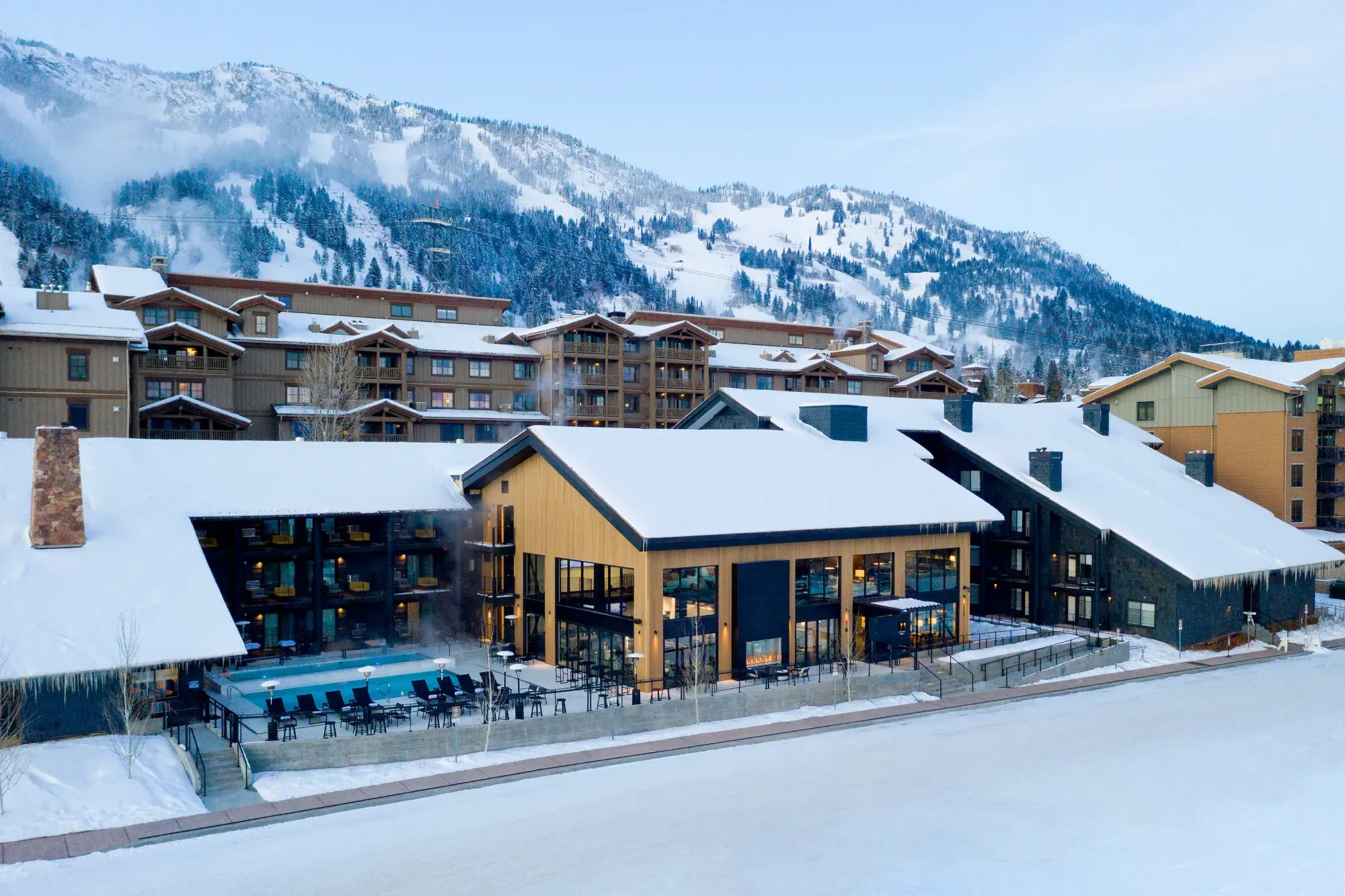
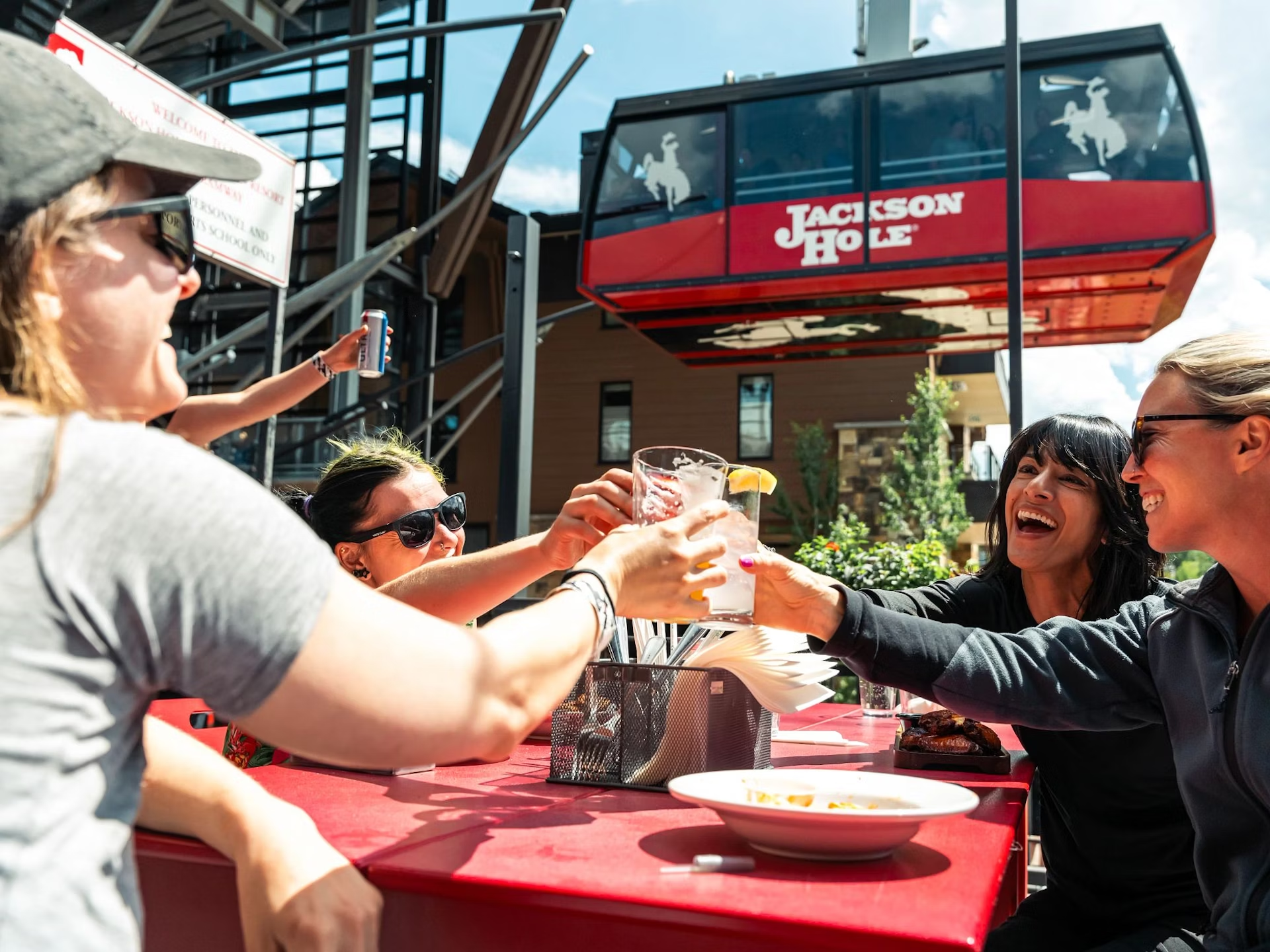
The work exists in environments where shortcuts show themselves quickly, and where mistakes compound — socially, economically, sometimes even physically. In places like Jackson Hole, creative work doesn’t disappear into feeds or campaigns. It shows up in the same grocery stores, trailheads, and community rooms as the people who made it.
You don’t get to hide behind abstraction here.
Friction as a Starting Point
Much of contemporary creative culture is built for frictionless operation: remote teams, fast timelines, scalable outputs. Speed is rewarded. Reach is optimized. Consequence is deferred.
This model responds to a different reality.
The Peak CRTVE Group was built to survive friction — weather delays, seasonal shifts, limited access, and the reputational gravity of working in small, interconnected communities. It operates under the assumption that conditions matter, and that ignoring them doesn’t make them go away.
Terrain, in this sense, is not just geography. It’s the economic ecosystem of small towns. The cultural expectation that trust travels faster than advertising. The knowledge that if a story lands wrong, the cost is carried by real people, not anonymous audiences.
This work pays attention to second-order effects: not just how something performs, but how it lands — and who bears the weight if it fails.
A Model Shaped by Place
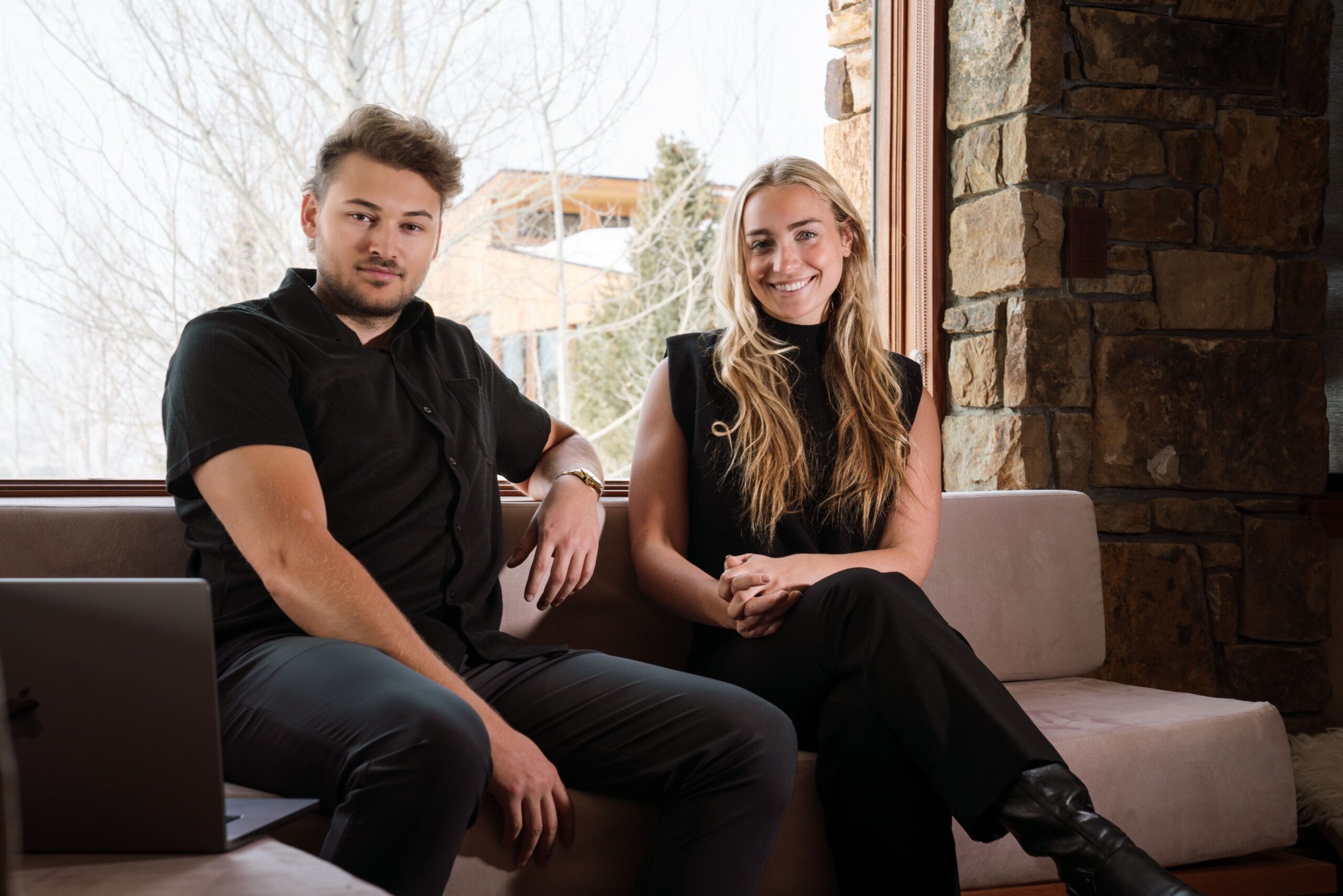
In plain terms, The Peak CRTVE Group is a small, intentionally built collective of senior specialists working directly with brands tied to real places — luxury, outdoor, and experience-driven businesses where reputation matters more than reach.
There is no bench of juniors. No outsourcing layer. No growth mandate for its own sake.
The structure is decision-driven. Teams are assembled per problem, not per contract. Specialists are chosen for context, not credentials. The work expands and contracts with seasonality, access, and the client’s lived reality.
This is not a traditional agency model. It’s not a studio chasing aesthetic output. And it’s not a consultancy detached from execution.
It’s a way of working that refuses certain things outright: growth that breaks trust, projects that require misrepresenting place or culture, narratives that flatten complex environments into lifestyle backdrops, speed when accuracy is required.
Operating in mountain towns makes these refusals non-negotiable. Launch dates bend around weather, not quarters. Projects pause when real life intervenes. Clients expect realism, not theater.
This isn’t inefficiency. It’s alignment.
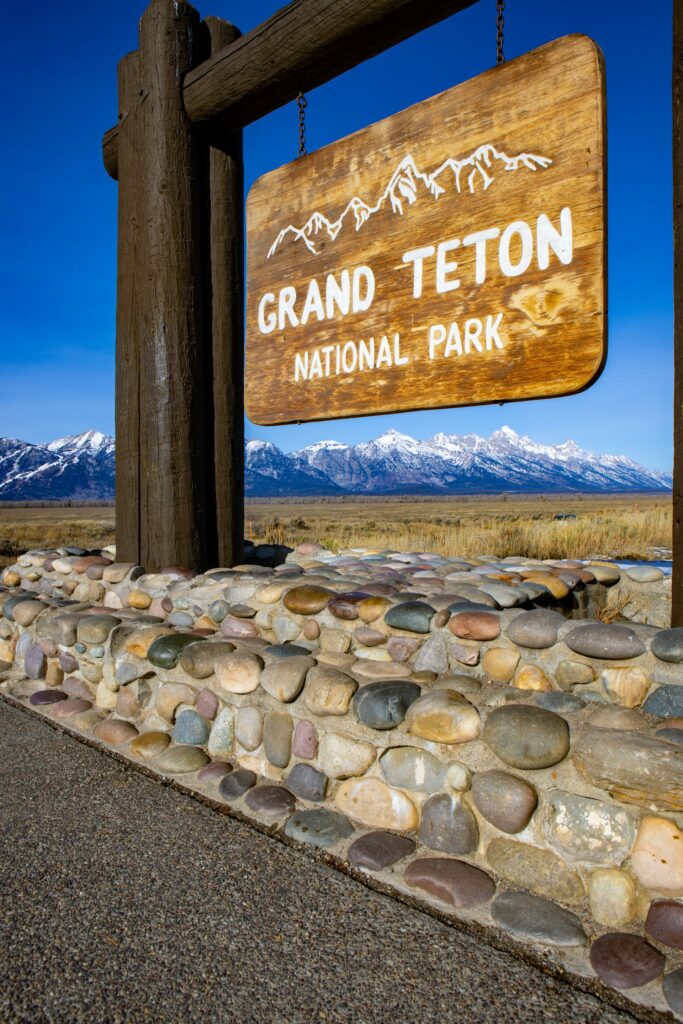
Working Locally, Meaningfully
Working locally doesn’t mean proximity alone. It means accountability that extends beyond the contract.
It means seeing the results of your work in daily life. Understanding that branding affects livelihoods, not just impressions. Knowing that a misaligned narrative can change expectations — sometimes dangerously — in places where safety, access, and seasonality matter.
There are moments when place directly changes the work: choosing not to oversell experiences because conditions vary; adjusting narratives to reflect seasonal reality rather than perpetual peak; designing systems that support local operators instead of overwhelming them.
Here, terrain isn’t a backdrop. It’s a collaborator.
Stakes That Don’t Disappear
This work is accountable to more than clients.
It’s accountable to communities who live with the narratives being shaped. To landscapes that are often romanticized but rarely respected. To businesses whose credibility must hold when conditions change.
If the work gets it wrong, trust erodes — not digitally, but socially. Expectations misalign. Brands lose standing where they need it most.
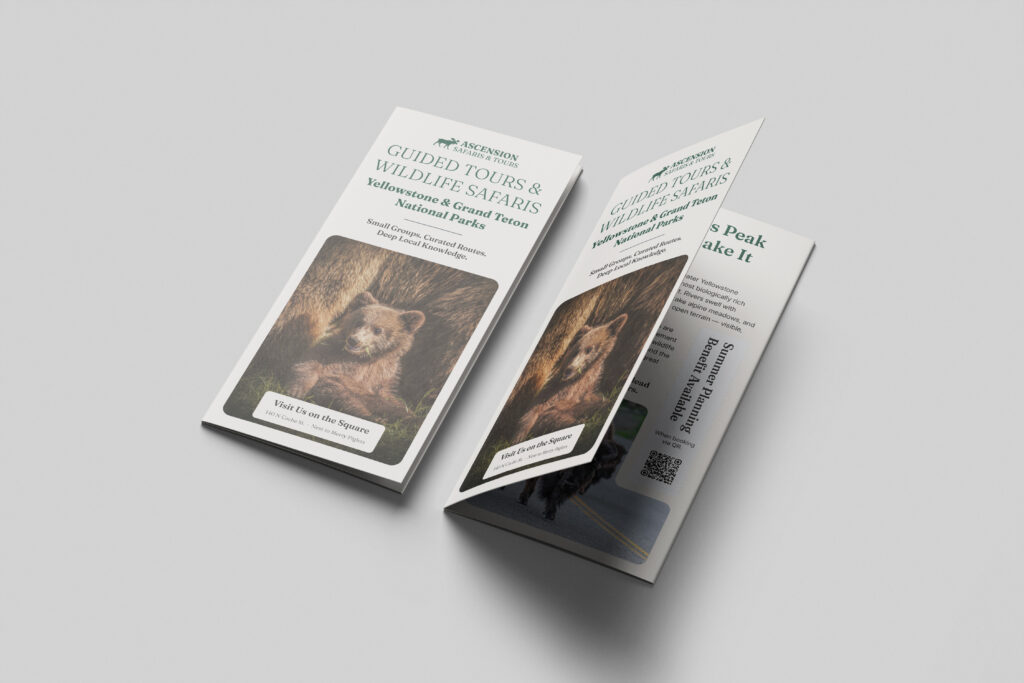
That’s why storytelling is treated not as content, but as stewardship. A long-term commitment rather than a campaign. Something that should leave a place intact — or better — after it passes through.
There are lines that won’t be crossed: no manufactured authenticity, no borrowed credibility from landscapes without reciprocity, no erasing complexity for convenience.
This is where the piece slows down. Where the weight sits.
Positioning Through Practice
This isn’t an origin story. And it isn’t a manifesto.
It’s a positioning through practice — shaped by terrain, informed by consequence, and refined through attention.
In environments where beauty is assumed, truth is required. And in places that push back, the work has learned to listen first, move deliberately, and stay accountable long after the work is done.
Terrain isn’t something this business covers.
It’s something it works within.