












Where the Light Finds You – Farming Hope
Capturing the Heart of Kenya
The alarm sounded at 4:30 in the morning, pulling Matthias Marklin from sleep in the pre-dawn darkness of the Maasai Mara. Outside, the air hung cold and still. He loaded into the back of a van with his family, headlights cutting through the blackness as they drove deeper into the savannah.
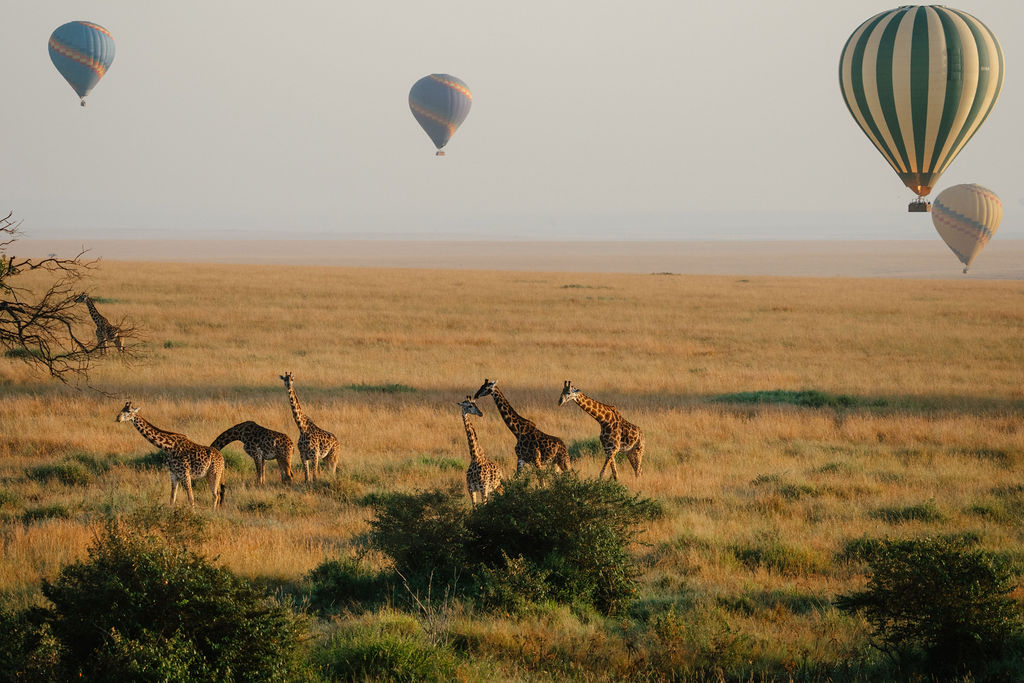
A dozen deflated hot air balloons materialized in the gathering light, their colors muted in the darkness. As the sun began its climb over the horizon, Matthias and his family lifted off the ground, rising into a quietness so powerful, it felt sacred.
Below them, the earth began to reveal its secrets.
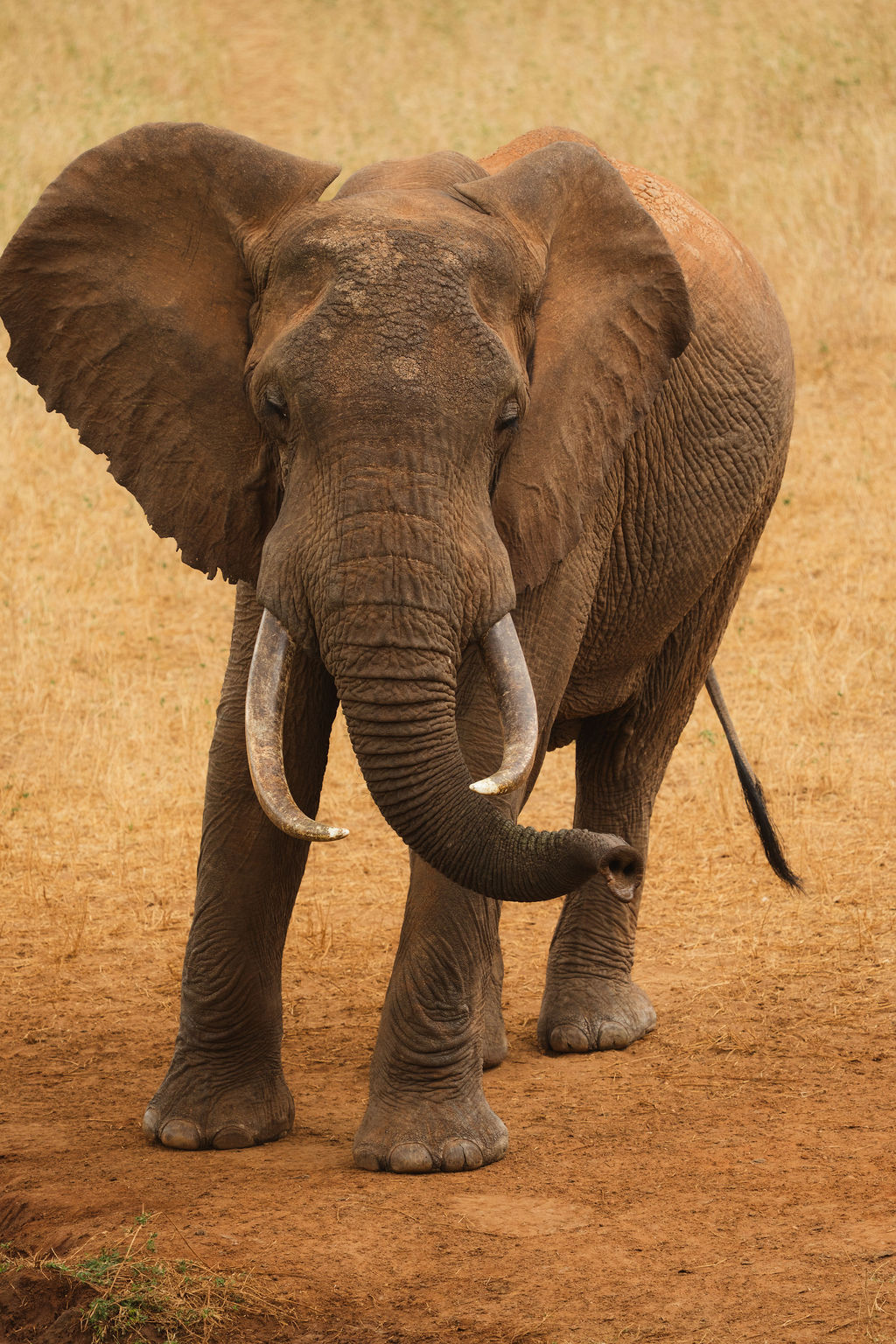
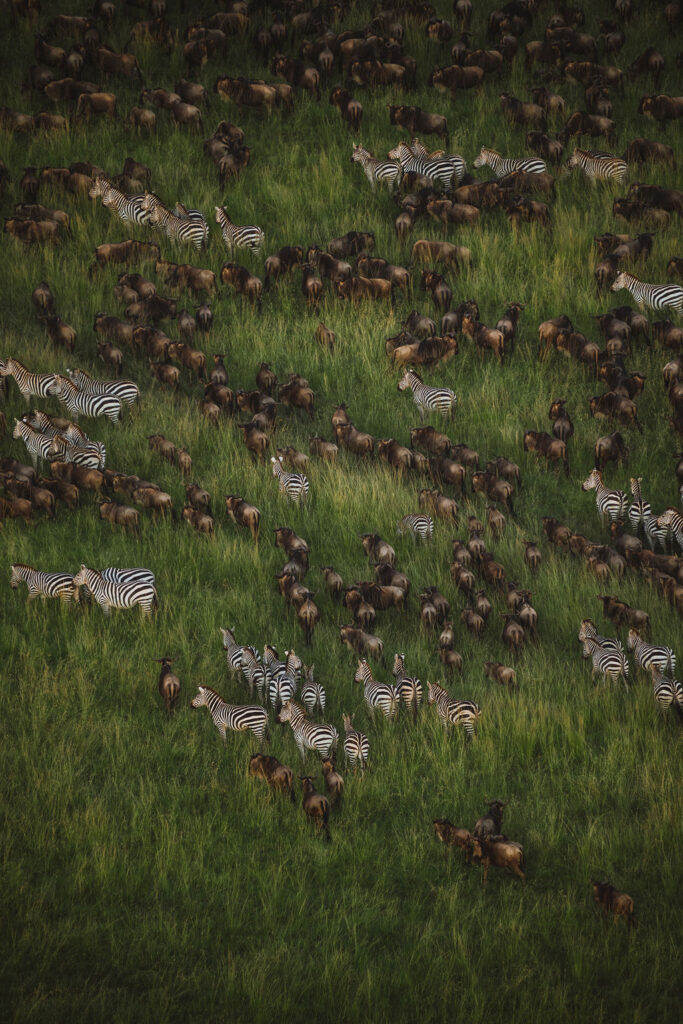
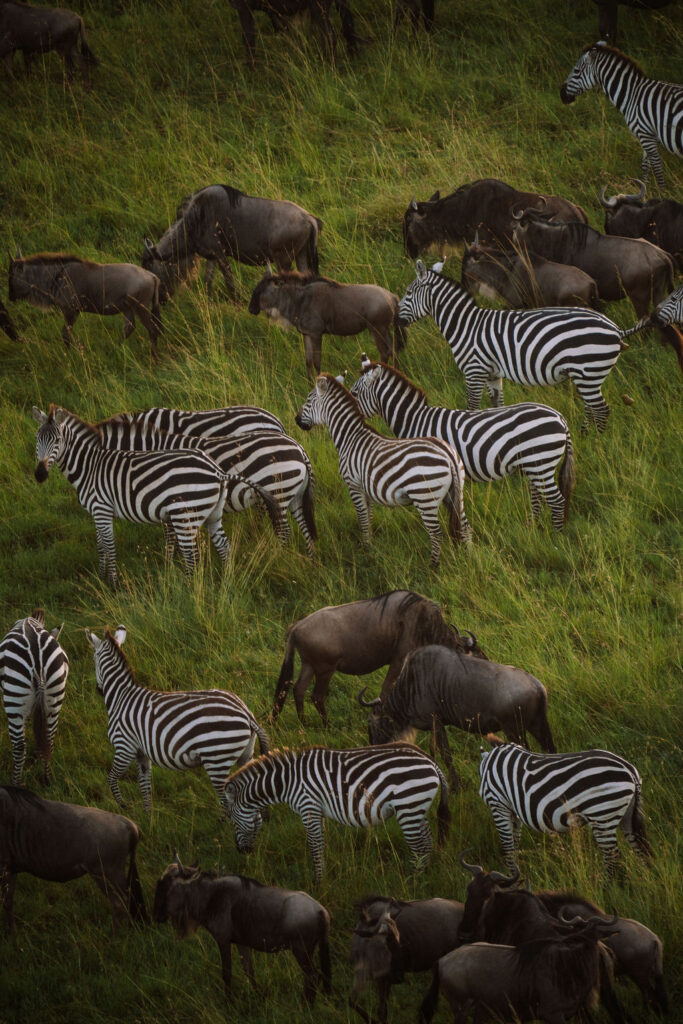
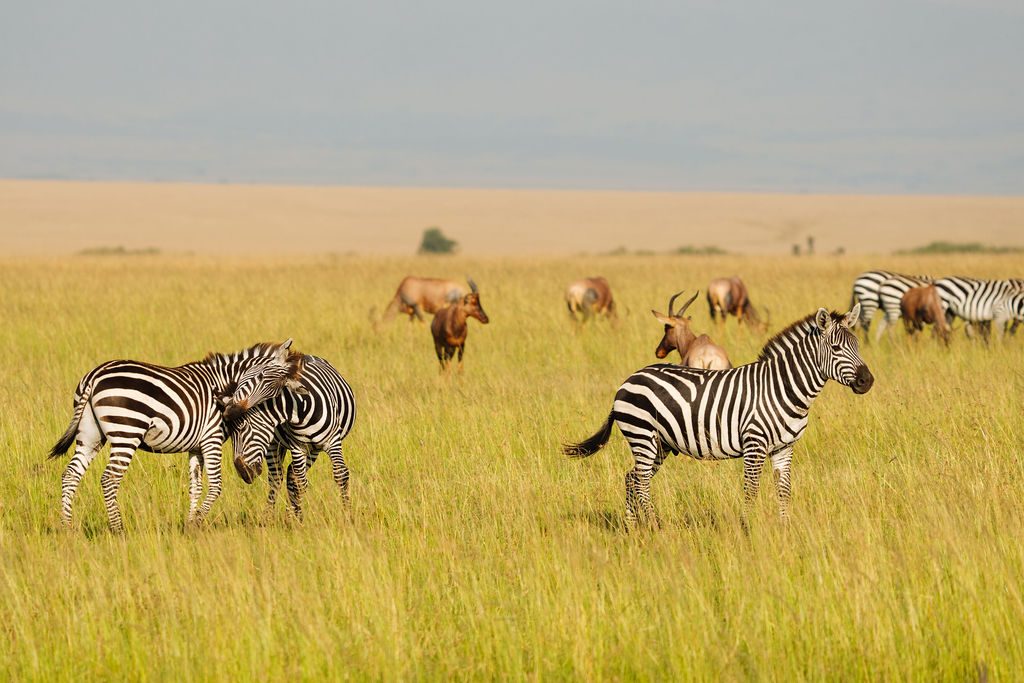
“When the flame shuts off, it’s dead silence,” Matthias remembers. “We’re floating pretty low over the ground, and we come across these massive herds of wildebeest and zebras all mingling together. Then as the balloon goes over, they start to run a little bit, and you just hear the grass rustling as they’re running through.”
It was a moment he will never forget.
This wasn’t Matthias’s first adventure—the well traveled photographer had spent a gap year traversing Peru and Bolivia in his youth, staying in tiny villages at 17,000 feet in the high Andes. Here, currency didn’t exist and life moved at a pace unrecognizable to the average American.
His trip to Kenya this summer was a homecoming of sorts. It was a time of renewal in a foreign land, a two-week pilgrimage that would reshape not just his passion for photography, but his understanding of generosity, connection, and what it means to truly see.
The Journey Begins with Beeswax
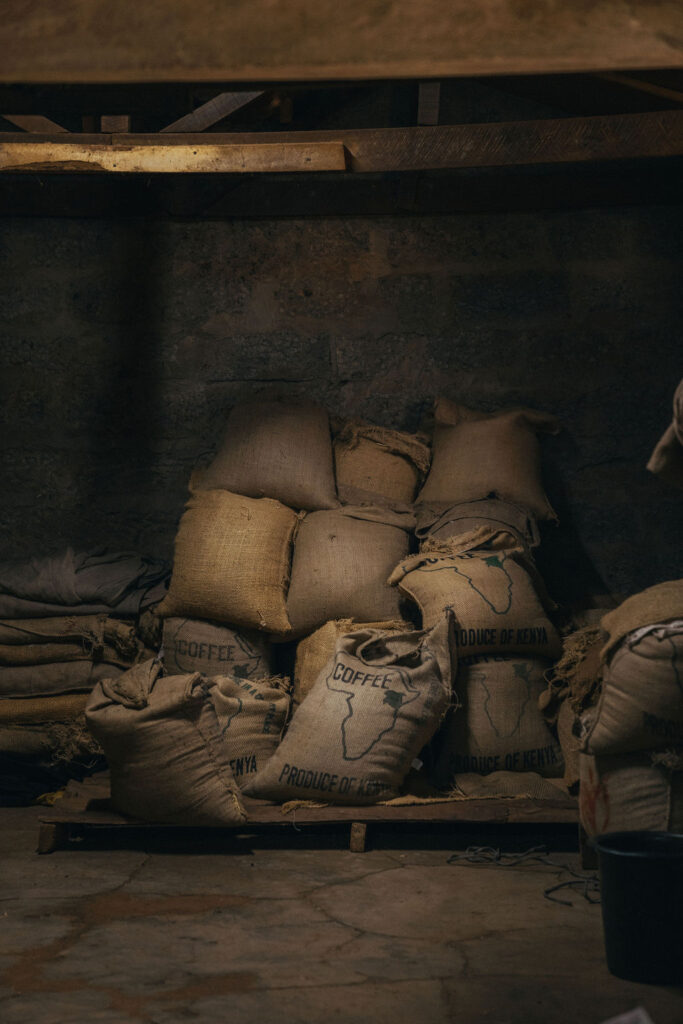
The story of how Matthias ended up floating above the Serengeti at sunrise begins, improbably, with his parents’ candle-making business in New Hampshire. Through the New Hampshire Beekeepers Association’s partnership with Kenyan beekeepers, his parents had discovered something remarkable: in Kenya, beeswax was often burned or discarded. The honey was all anyone wanted.
But his father, a beekeeper and candlemaker, understood what wax could be. More importantly, he understood what Kenyan wax could be. Pesticide-free. Pure. Precious.
In the United States, bees forage up to five miles from their hive, making it nearly impossible to guarantee they haven’t encountered harmful chemicals. In rural Kenya, that five-mile radius remains innocently untouched.
So in reality, this is why Matthias traveled nearly 9,000 miles and spent over a day in an airplane.
The initial trip spawned from the desire to help Kenyans build solar wax melters—simple devices that harness the sun’s heat to melt down wax, filter out debris, and create a product that could be sold, creating a new income stream from what was once overlooked waste.
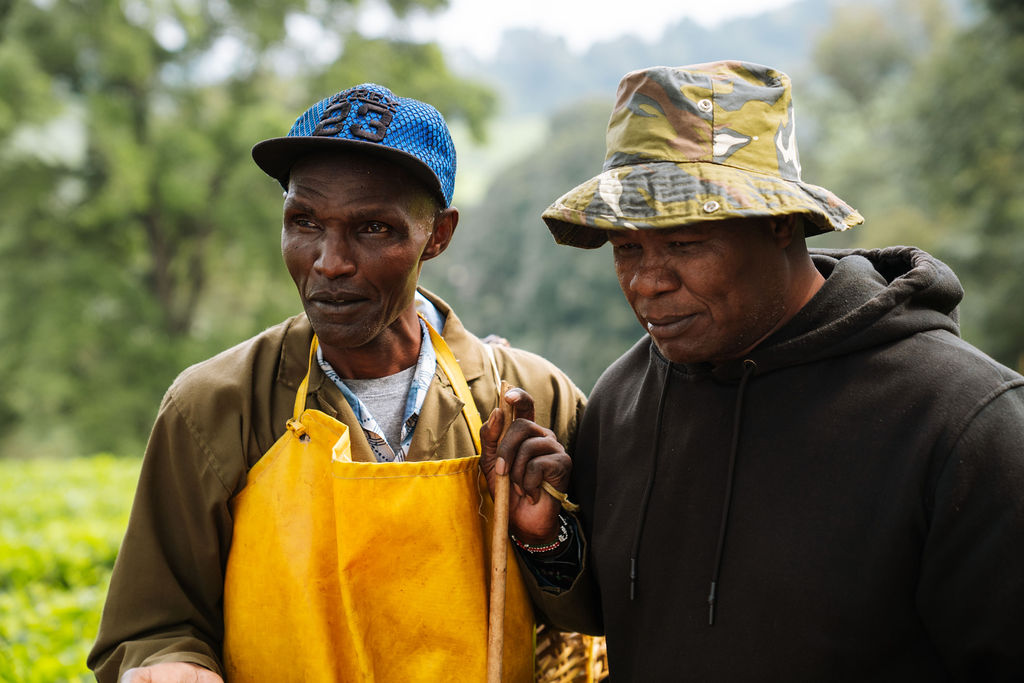
Through this initiative, his parents met Muli, a professor with an ambitious vision.
Muli wasn’t just teaching—he was transforming lives through education and sustainable farming. He’d purchased 100 acres of land in Ukasi, in the dry, remote heart of Kenya, to create a demonstration farm where people could learn not just how to survive, but how to thrive.
When Matthias’s parents invited him to Africa, the invitation wasn’t just to see a new country. It was to witness what’s possible when someone cares more about lifting others than about their own comfort.
Through A New Lens
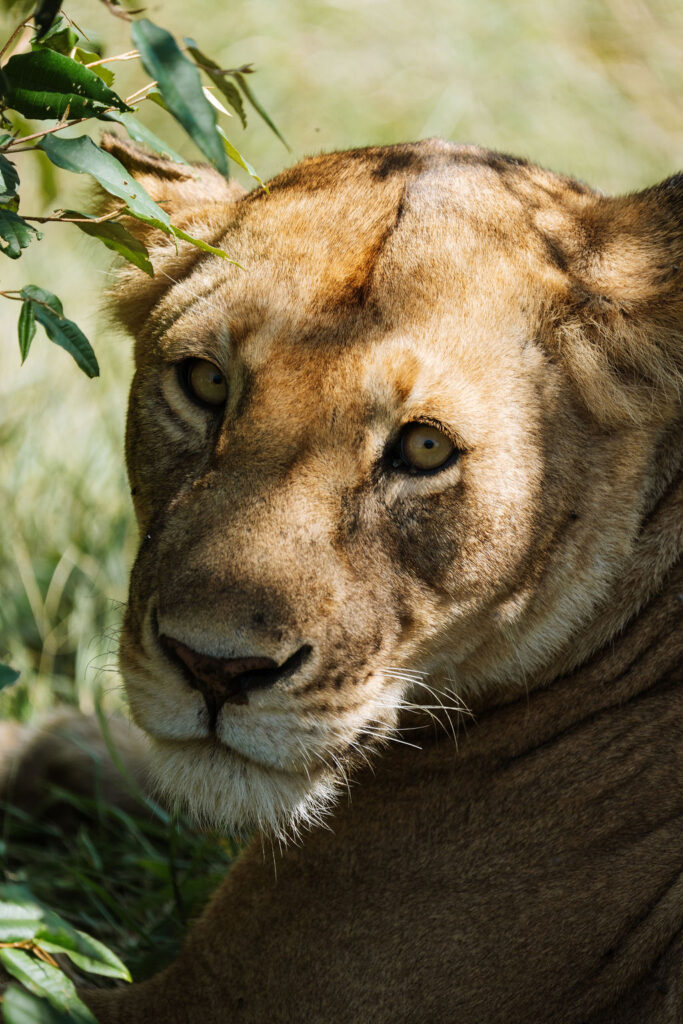
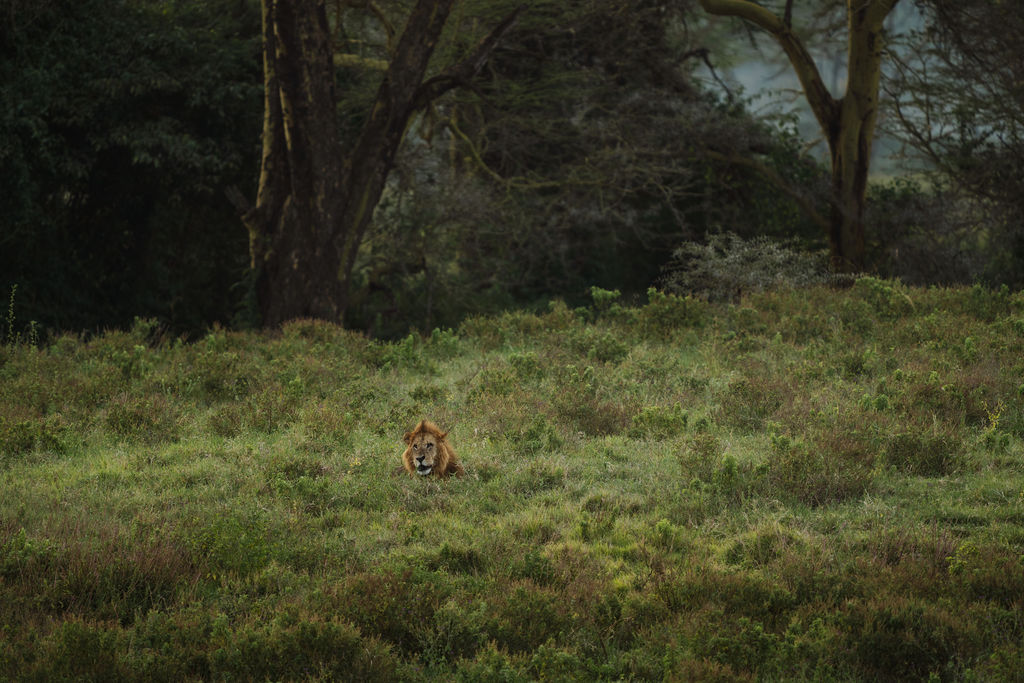
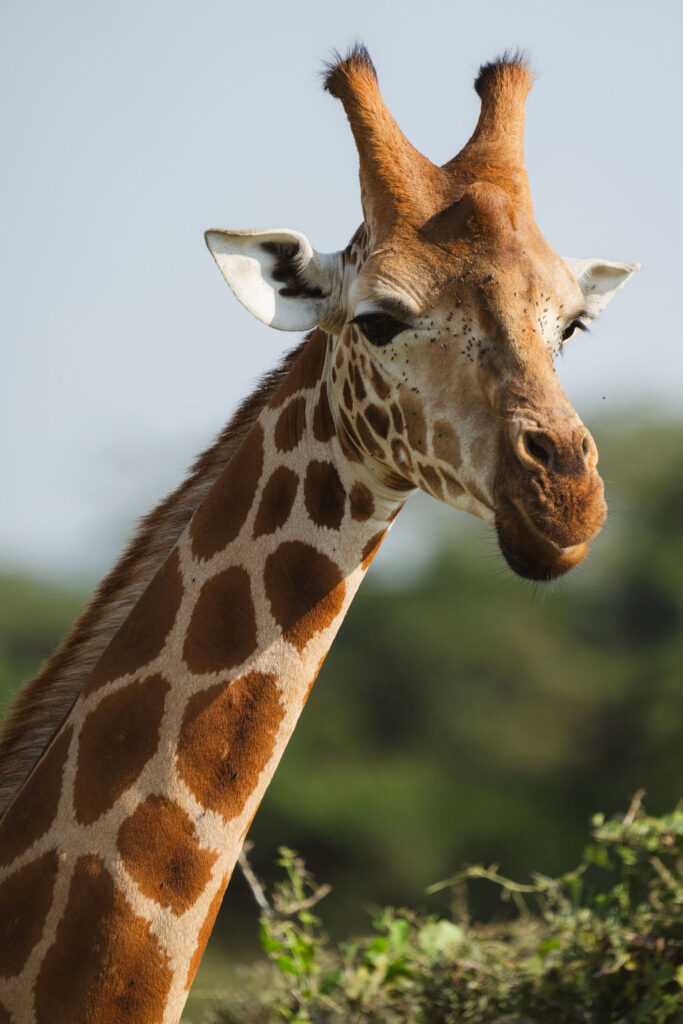
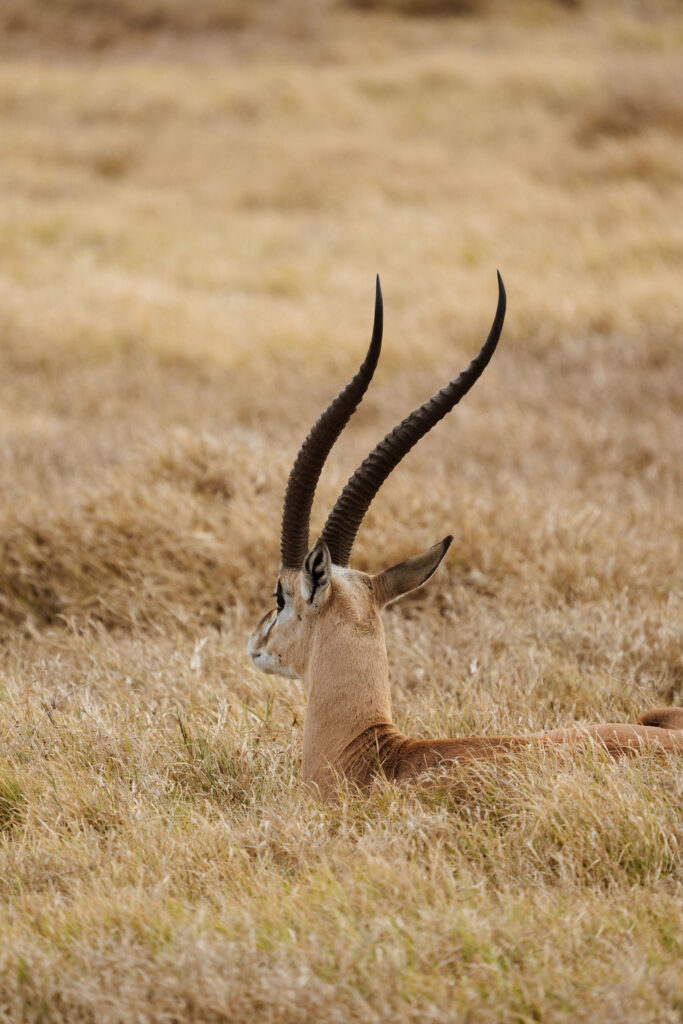
The Jackson-based photographer bought a new camera body specifically for this trip and rented a 600-millimeter lens—serious artillery for one who doesn’t dub himself a wildlife photographer. But this wasn’t commercial work. This was personal. This was about capturing a deeper philosophy.
“I didn’t want to bring on any commercial work because I didn’t want that to take away from my focus,” he explains. “My focus was very much on experiencing the country with the friends my parents had made and with family.”
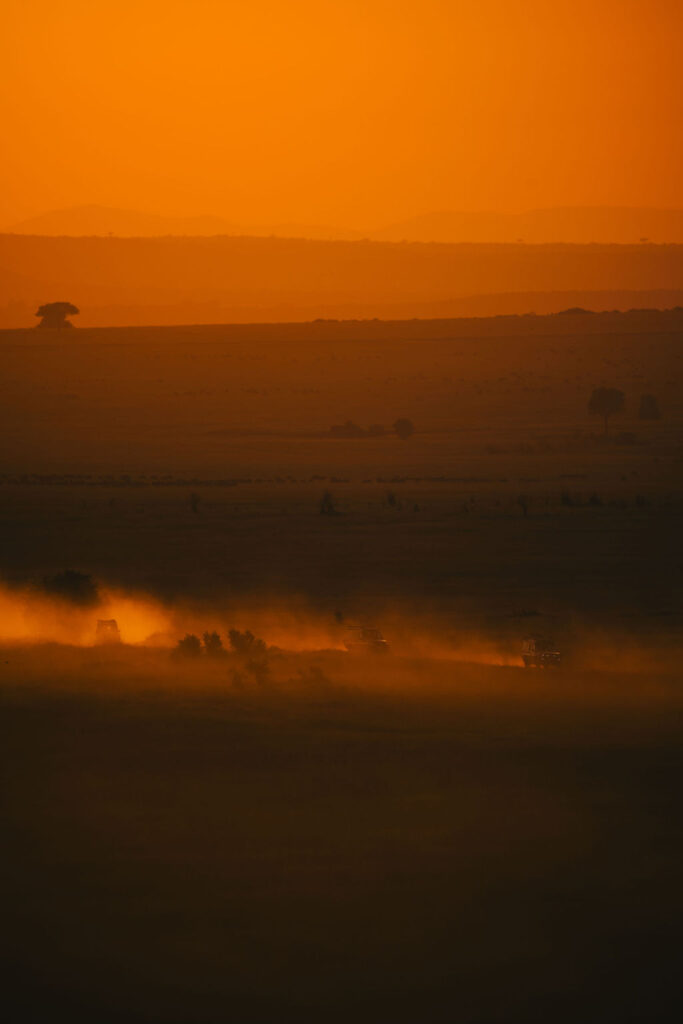
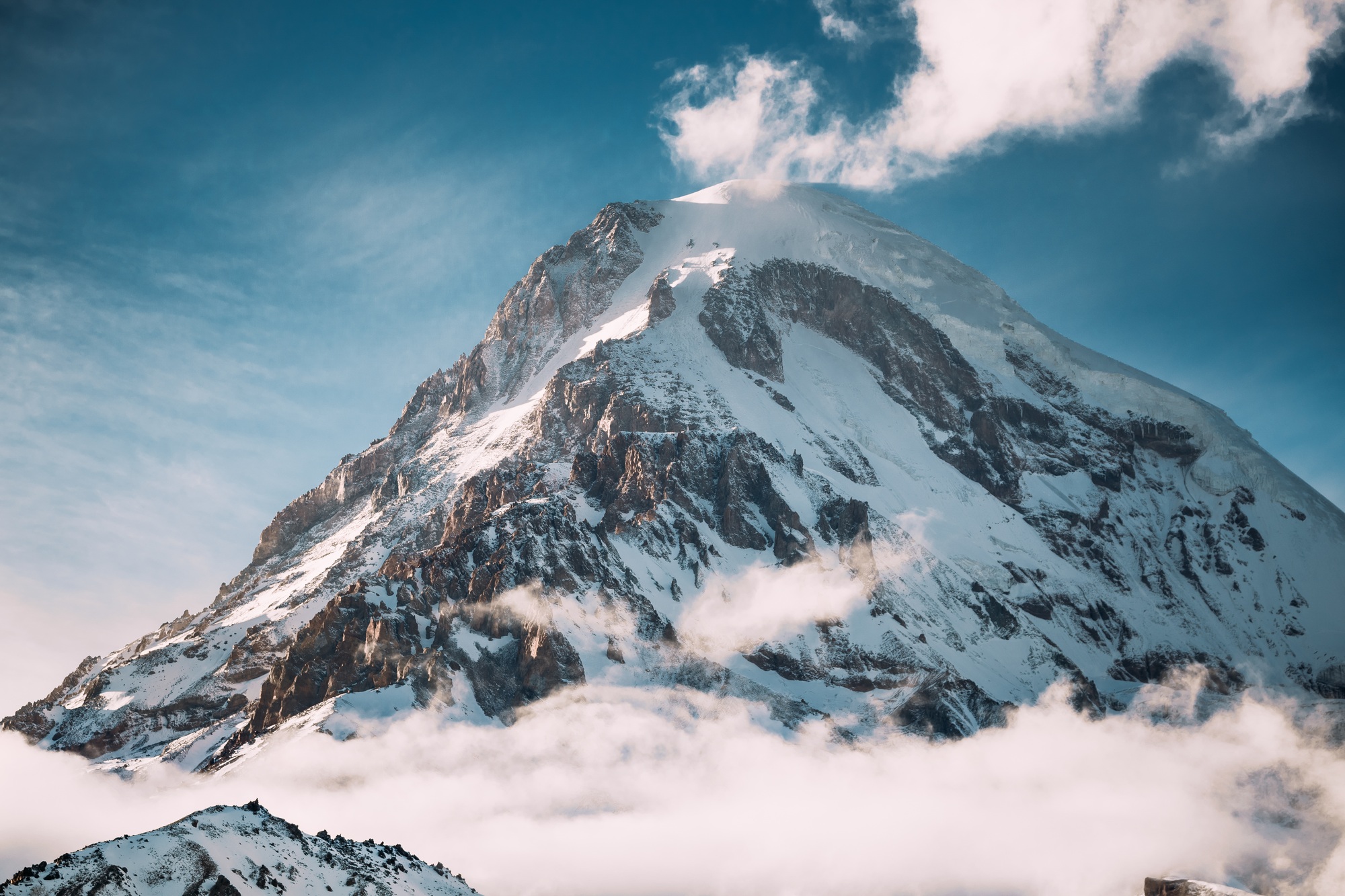
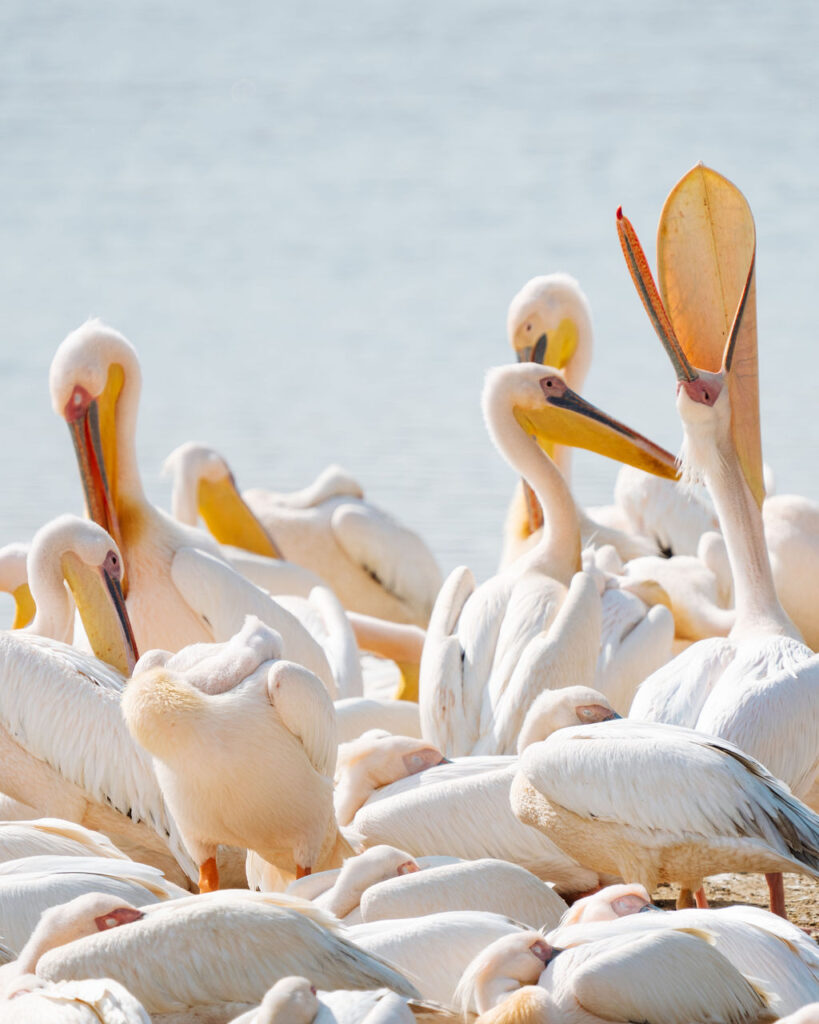
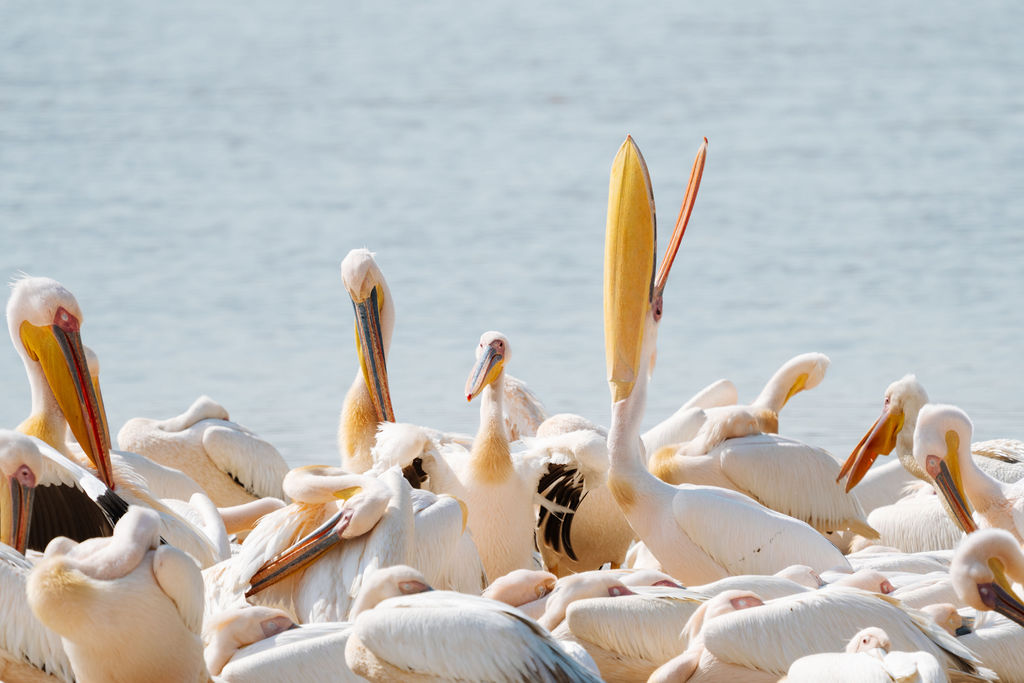
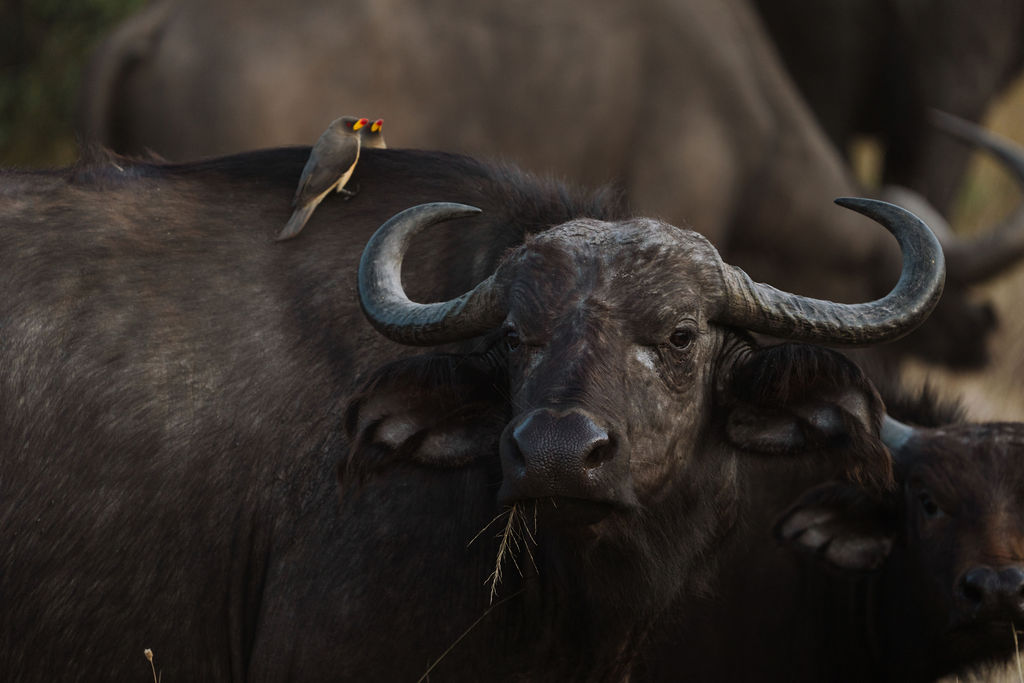
The scene that appeared before him was a study in contrasts. Near Mount Kenya—a singular, promontory peak reminded him of the Tetons—the terrain felt almost familiar. Around Lake Nakuru, the land turned lush and tropical. In the Maasai Mara and Serengeti, where they’d come for the Great Migration, dry clipgrass stretched to the horizon, punctuated by the activity of thousands making their annual pilgrimage from Tanzania to Kenya.
And finally, unexpectedly, the coast- a side of Kenya Matthias hadn’t imagined. Think pristine white beaches kissed by turquoise water,
Each place required something different from his creative skillset, but it was the people who really taught him to look through a new lens.
A Warm Welcome
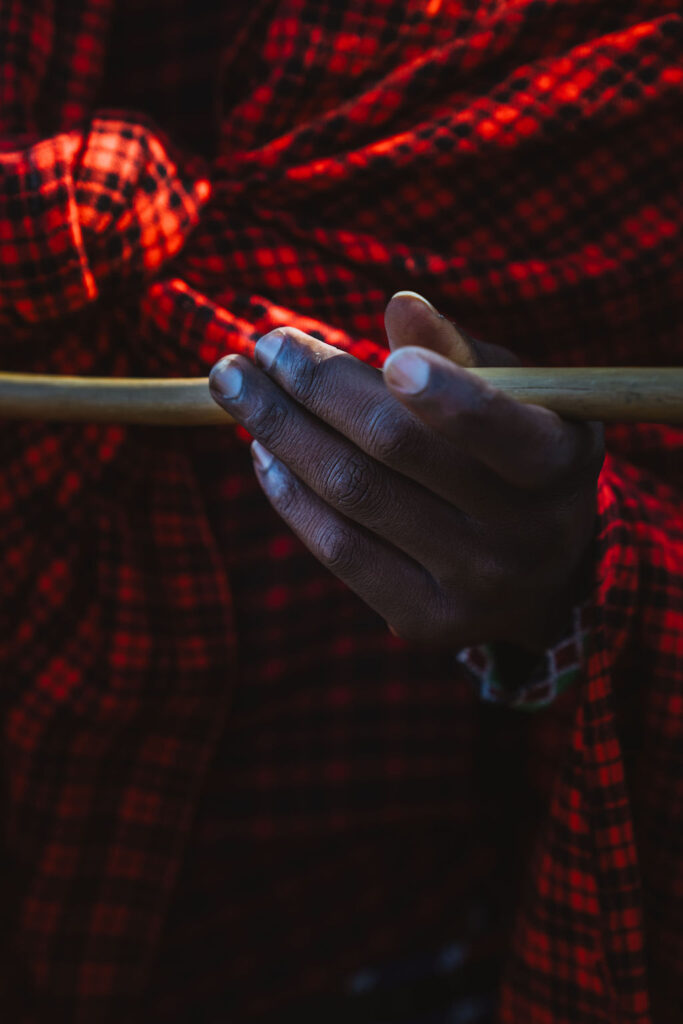
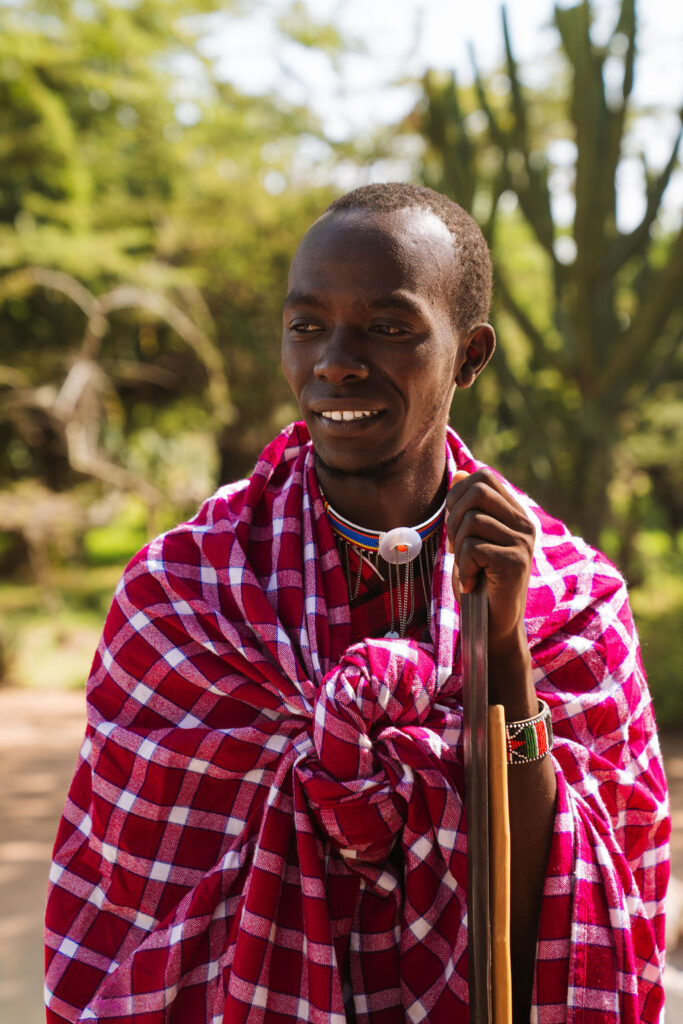
The Maasai people are known for the red blankets they wear draped across their shoulders, for the staffs they carry, for the way they’ve lived on this land for generations. The Maasai Mara Game Reserve sits on their ancestral territory, and when Matthias’s family arrived, they were welcomed not as tourists but as guests.
“They live very simple lives,” Matthias says..
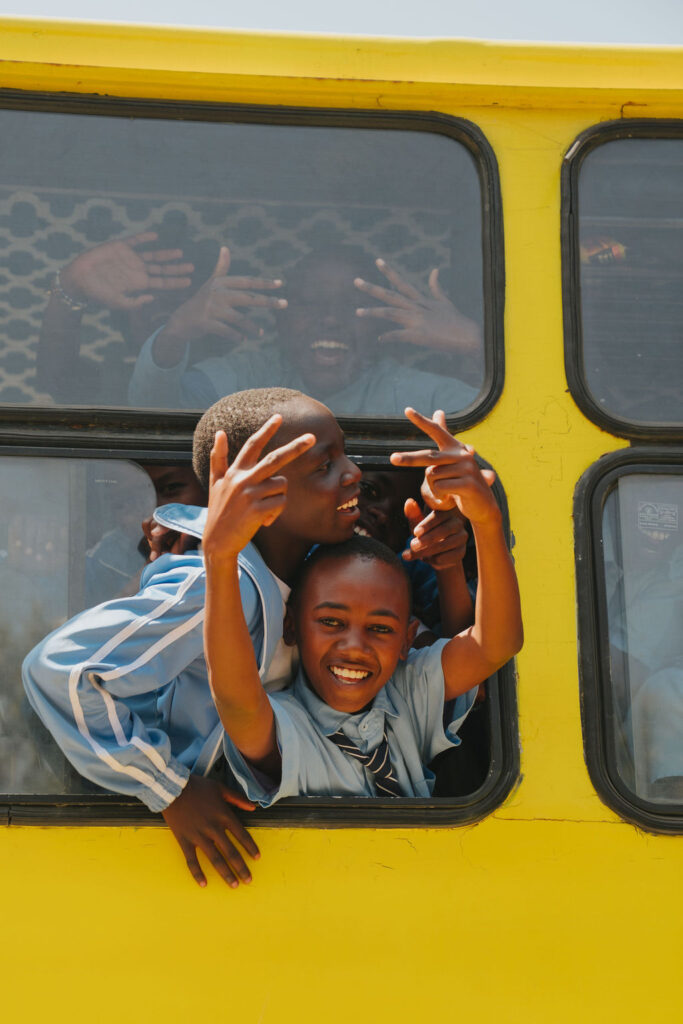
The children bring light to the villages— some of Matthias’ shots show them waving on their way to school (sometimes with monkeys climbing on the roof), running up to the visitors and sharing a smile, marveling at seeing their photo on the camera’s viewfinder. Their happiness, he describes, was uncomplicated, infectious, real.
Farming Hope
The best part of the venture for Matthias was the time spent with Muli on his 100-acre farm in Ukasi, where he quickly discovered that Muli isn’t just farming to help his community—he’s farming to generate hope.
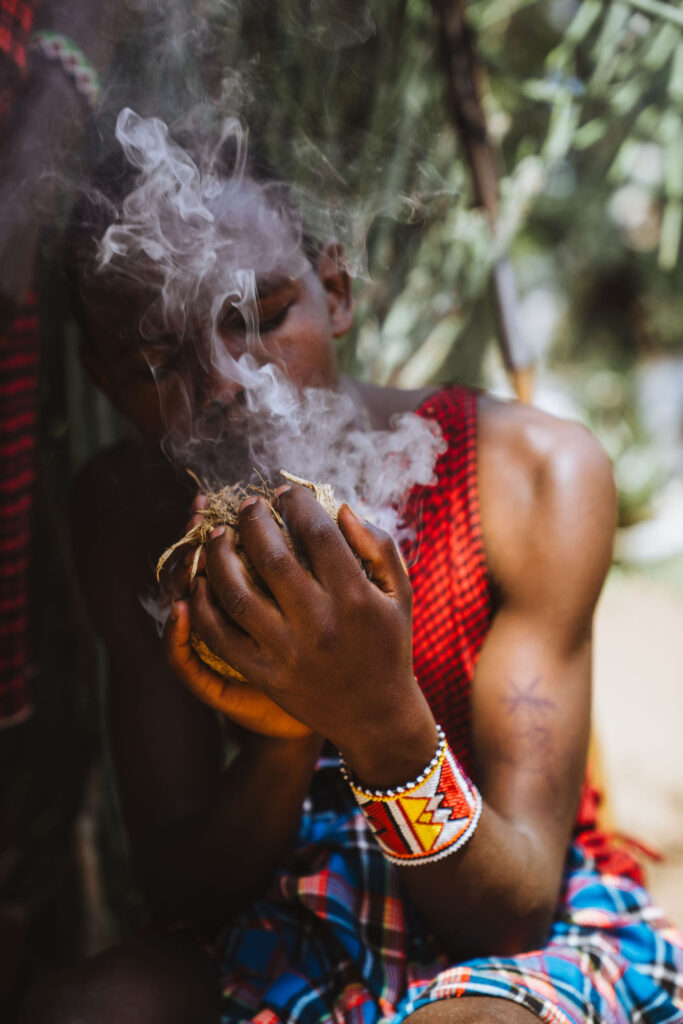
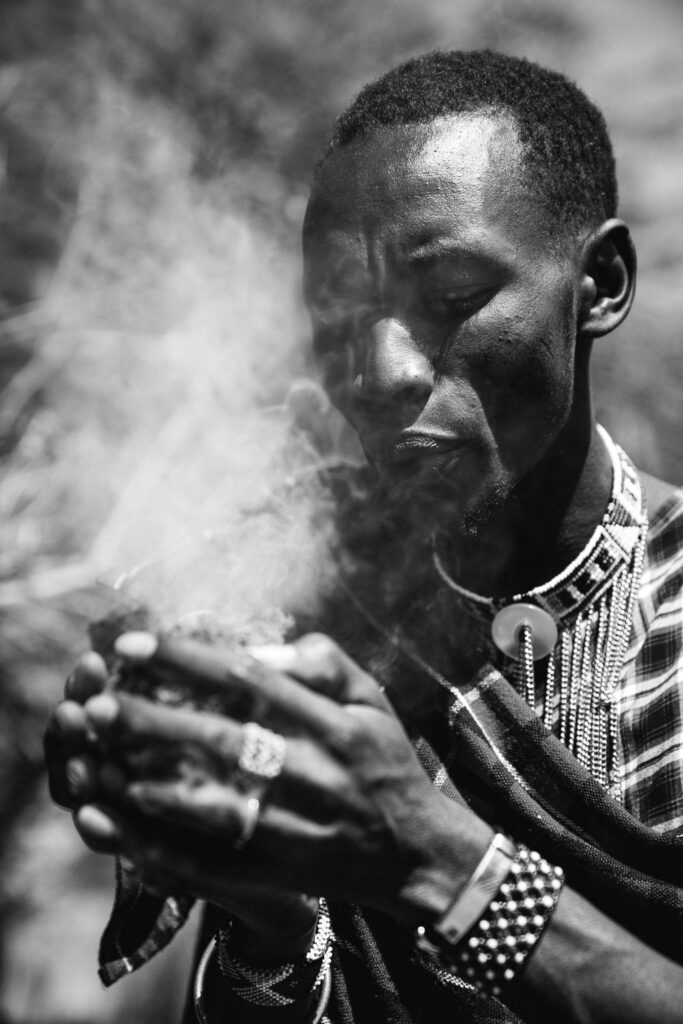
Getting water in this part of Kenya used to mean spending half a day traveling with a donkey to fill jugs and haul them back. So the New Hampshire beekeeping group raised money to drill a borehole—200 meters down through the soil. The first drilling didn’t go deep enough and the well ran dry. So, they tried again- this time going deeper, until finally hitting water. Today, a solar-powered pump supplies not just the farm but the entire community.
“He sees education as a way to keep people out of poverty and for people to stay motivated,” Matthias explains. “He actually will sponsor a lot of students to go to school, even if they’re not his kids. What money he has, he puts towards sponsoring their education.”
Matthias spent a full day on Muli’s farm, camera in hand. Intent on telling Muli’s story, Matthias worked with his father to interview him. The result? Matthias captured more than just images. He captured the full story.
“I think I came away with a better understanding of using video as a means to tell a story,” he reflects.
What We Carry Home
If you’re lucky, there’s a moment in every meaningful trip when you realize the person you were when you left isn’t the person who’s returning.
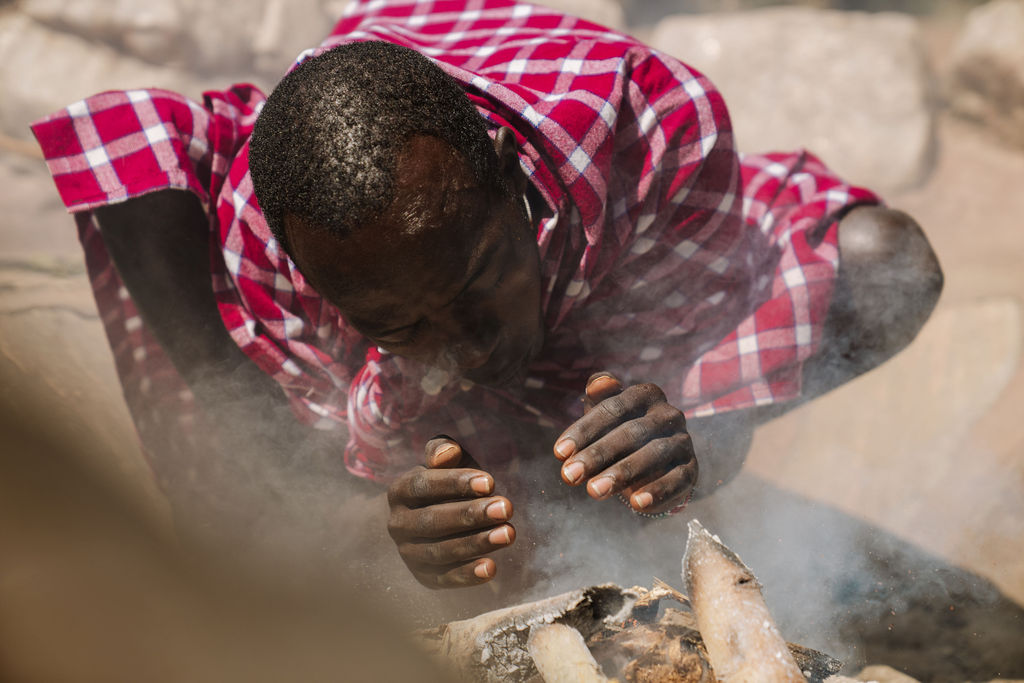
For Matthias, that shift came not just from mastering a new lens or from learning to tell stories through video. It came from witnessing generosity in a place where resources are scarce.
“I’ve been exposed to what it’s like to see people living very simply,” he says, thinking back to that village in the Peruvian Andes. “But the twist on this one in Kenya was just the generosity of spirit… People look out for one another, and [care enough] to build each other up.”
In Muli, he saw someone who chose to pour everything into others—into education, into shared resources, into proving that opportunity exists for those eager enough to find it.
And when asked if he’d go back? “Definitely. Very much so.”
Because that’s the thing about a place that changes you—you can’t help but want to return, to see what else it has to teach you, to witness what new light might find you there.
"I didn't want to bring on any commercial work because I didn't want that to take away from my focus," he explains. "My focus was very much on experiencing the country with the friends my parents had made and with family."
— Matthias